
Blog
- Home
- Blog
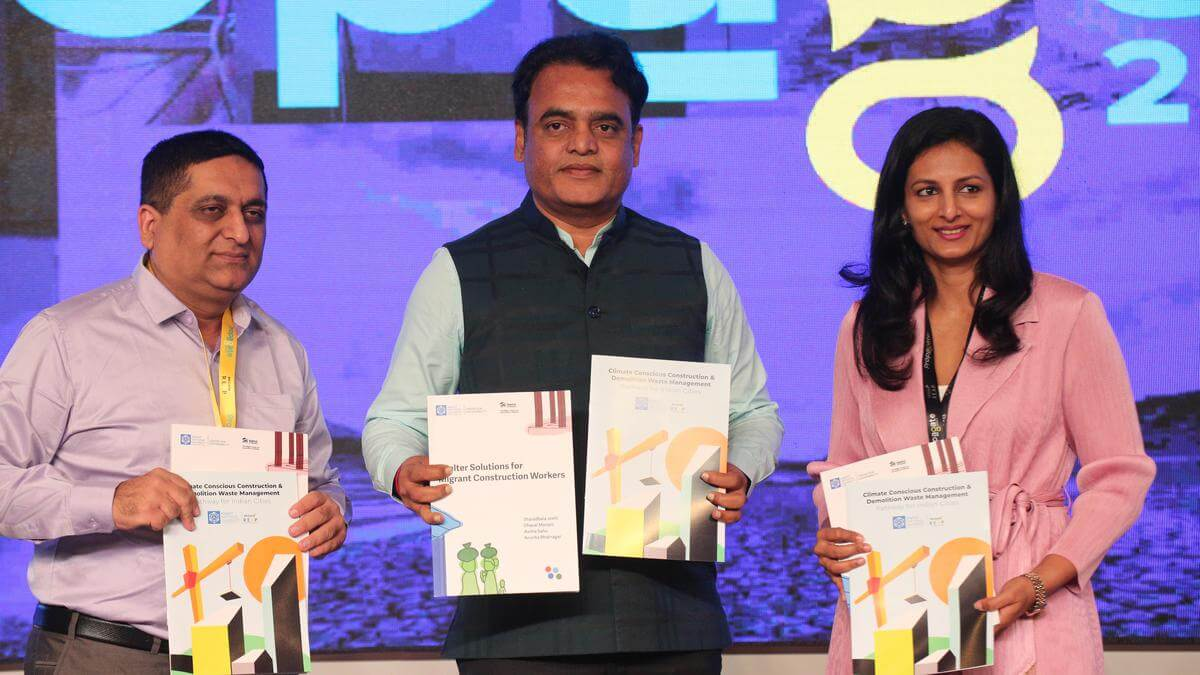
The real estate sector has contributed to the growth of Bengaluru. With sustainability being a key focus area today, it is important for the
#construction sector to focus on technologies that will help reduce the environmental impact caused by increased construction needed for the economic growth of the State.” said Dr. Ashwath Narayan C N, Minister of Electronics, IT, Biotechnology, Science and Technology, Government of Karnataka as he addressed the audience at
- construction
- propagate2022
- proptech
- realestate
- technology
- innovation
- thoughtleadership
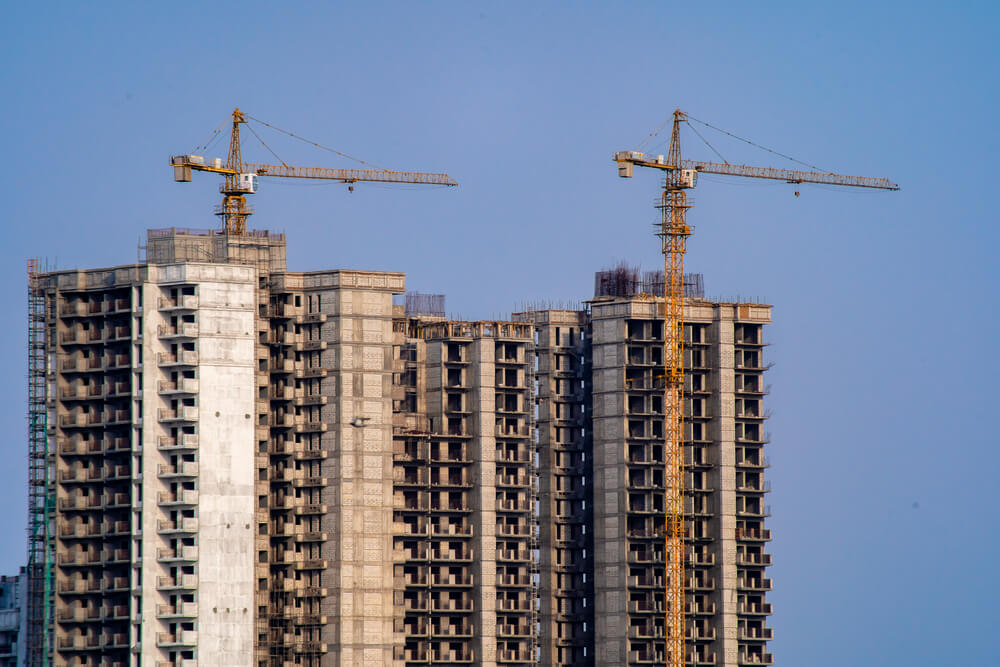
High above the city
I remain a big proponent of dense urban development, but high rise buildings come with their inherent challenges. An article with Nikhilesh Sinha of Hult International Business School that takes a look at the trade offs of going vertical.
Housing affordable housing urban

Budget 2024-25: Focus on affordable rental housing could be highly impactful
Based on the achievements under PMAY-U to date, the schemes for Affordable Housing in Partnership and Beneficiary Led Construct ..
We are seeing unprecedented housing being build in India under PMAY U – I would say, the scale of housing development right now has seldom been matched anywhere except maybe in Saudi Arabia in dollar terms. While we have to focus on getting there first – provide the homeless with shelter, are we building homes that might become vertical slums – can we bring small changes or can we adapt those already built?
A recent article with Nikhilesh Sinha of Hult International Business School on why keeping in mind our climate conditions we need to re look at current construction practices with concrete.

Neom, looking beyond the obvious
Neom, unfortunately has not got the eyeballs it deserves. The audatious project rethinks ‘living’ in a completely different context that maybe is more relevant to todays society and way of living. I will try and focus only on two simple parameters housing or living and transport or commuting.
Anyone who has used public transport understands that because of nodal connectivity issues, public transport networks are extremely difficult to create and maintain. The easiest is linear movement that is best illustrated by Bus Rapid Tranport Systems – BRTS or the famous Mumbai train system that runs from north to south. Linear movement makes is simpler, easier to deploy and significantly cut down on commute times.
As the COVID second wave marches on in the Indian hinterlands, we set up our low cost hospitals catering to those most in need. The endeavor has been to optimize resources and using existing hard infrastructure – community halls, marriage halls, complexes and spending on the essentials. The number of beds set up crosses 2000 and number centers crosses 15 across 5 states at the fraction of the cost for greenfield hospitals.
In these trying times, we handed over possibly one of the best designed and executed COVID recovery facilities in the state to the Rajkot Municipal Corporation – 75 eco friendly beds with large side tables and privacy screens – partitions made of 100% recycled and more importantly recyclable laminated corrugated board.
Our eco friendly furniture is setting a benchmark for low cost hospital set ups across the country with over 2000 beds being executed. Narendra Modi Vijay Rupani
- covid
- covidresponse
- lowcost
- affordablehousing
- circulareconomy
- sustainability
- rajkot
- covid19response
- covid19pandemic
- covid19recovery
- lowcosthospitals
- affordablehousing
- anantnationaluniversity

My recent article in the Economic Times where I discuss the Vacant Housing Report. The report tries to address the paradox of nearly 15% houses lying vacant while we grapple with a lack of housing. In Ahmedabad while 15% of homes lie vacant – 15% of the homes are in slums. The headline is not a mistake – affordable housing is not tax free in India as largely believed. The 15% MAT has to be paid and and claimed back based on meeting certain criteria. Tax exemption is a very powerful tool that can be used retrospectively as well to address rental – the one sector that fails to find any takers.
While India grapples with a shortfall over 29 million homes in urban centers, 7.5% of total homes in India lie vacant. Ahmedabad has 14% of its total supply or over 200,000 homes are unoccupied. We tried to understand the underlying patterns behind this paradox with an exhaustive primary survey covering over 50 developments across the city. The Economic Times highlights the report with our policy and practical suggestions on how to address this issue.

the value of the subsidy. If we are take into account the contract value of just these houses at Rs. 7.5 lakhs, its 5 lakh crore. Throw in the value of the land that the government is not charging for – atleast another 5 lakh crore, ancillary services and it goes on. The ripple effect for the related economy, lending institutions and beneficiaries again massive – most of these loans go to NBFCs. What this article fails to highlight is that a very large portion of the mortgage NPAs are coming from this sector – in some cases as high at 10%.
Summer Winter School – CEPT University is introducing my course on low cost and affordable housing for post graduate architecture and planning students – looking forward to some great sessions.
Article 1
I remain a big proponent of dense urban development, but high rise buildings come with their inherent challenges. An article with Nikhilesh Sinha of Hult International Business School that takes a look at the trade offs of going vertical.
Housing affordable housing urban
- mixeduse
Article 2
Budget 2024-25: Focus on affordable rental housing could be highly impactful
Based on the achievements under PMAY-U to date, the schemes for Affordable Housing in Partnership and Beneficiary Led Construct ..
Article 3
We are seeing unprecedented housing being build in India under PMAY U – I would say, the scale of housing development right now has seldom been matched anywhere except maybe in Saudi Arabia in dollar terms. While we have to focus on getting there first – provide the homeless with shelter, are we building homes that might become vertical slums – can we bring small changes or can we adapt those already built?
A recent article with Nikhilesh Sinha of Hult International Business School on why keeping in mind our climate conditions we need to re look at current construction practices with concrete.
Article 4
Neom, looking beyond the obvious
Neom, unfortunately has not got the eyeballs it deserves. The audatious project rethinks ‘living’ in a completely different context that maybe is more relevant to todays society and way of living. I will try and focus only on two simple parameters housing or living and transport or commuting.
Anyone who has used public transport understands that because of nodal connectivity issues, public transport networks are extremely difficult to create and maintain. The easiest is linear movement that is best illustrated by Bus Rapid Tranport Systems – BRTS or the famous Mumbai train system that runs from north to south. Linear movement makes is simpler, easier to deploy and significantly cut down on commute times.
Article 5
The real estate sector has contributed to the growth of Bengaluru. With sustainability being a key focus area today, it is important for the
#construction sector to focus on technologies that will help reduce the environmental impact caused by increased construction needed for the economic growth of the State.” said Dr. Ashwath Narayan C N, Minister of Electronics, IT, Biotechnology, Science and Technology, Government of Karnataka as he addressed the audience at
- construction
- propagate2022
- proptech
- realestate
- technology
- innovation
- thoughtleadership
Article 6
As the COVID second wave marches on in the Indian hinterlands, we set up our low cost hospitals catering to those most in need. The endeavor has been to optimize resources and using existing hard infrastructure – community halls, marriage halls, complexes and spending on the essentials. The number of beds set up crosses 2000 and number centers crosses 15 across 5 states at the fraction of the cost for greenfield hospitals.
In these trying times, we handed over possibly one of the best designed and executed COVID recovery facilities in the state to the Rajkot Municipal Corporation – 75 eco friendly beds with large side tables and privacy screens – partitions made of 100% recycled and more importantly recyclable laminated corrugated board.
Our eco friendly furniture is setting a benchmark for low cost hospital set ups across the country with over 2000 beds being executed. Narendra Modi Vijay Rupani
- covid
- covidresponse
- lowcost
- affordablehousing
- circulareconomy
- sustainability
- rajkot
- covid19response
- covid19pandemic
- covid19recovery
- lowcosthospitals
- affordablehousing
- anantnationaluniversity
Article 7
My recent article in the Economic Times where I discuss the Vacant Housing Report. The report tries to address the paradox of nearly 15% houses lying vacant while we grapple with a lack of housing. In Ahmedabad while 15% of homes lie vacant – 15% of the homes are in slums. The headline is not a mistake – affordable housing is not tax free in India as largely believed. The 15% MAT has to be paid and and claimed back based on meeting certain criteria. Tax exemption is a very powerful tool that can be used retrospectively as well to address rental – the one sector that fails to find any takers.
Article 8
While India grapples with a shortfall over 29 million homes in urban centers, 7.5% of total homes in India lie vacant. Ahmedabad has 14% of its total supply or over 200,000 homes are unoccupied. We tried to understand the underlying patterns behind this paradox with an exhaustive primary survey covering over 50 developments across the city. The Economic Times highlights the report with our policy and practical suggestions on how to address this issue.
Article 9
A session with finalists of the Global Affordable Housing Challenge by World Resources Institute and Government of India Official – I recall this post as over the past month I have worked with some amazing companies that should have been a part of this challenge. One of the start ups featured here Saltech Design Labs has excelled and I am very happy to see the tremendous progress made by the young team.
- affordablehousing
- housing
- urbanplanning
- sustainablecities
- housingcrisis
- housingcrisis
- urbanization
- habitatforhumanity
- habitatforhumanity
- conronavirus
- futurecities
- sustainabledevelopment
- sustainability
Article 10
Article 11
the value of the subsidy. If we are take into account the contract value of just these houses at Rs. 7.5 lakhs, its 5 lakh crore. Throw in the value of the land that the government is not charging for – atleast another 5 lakh crore, ancillary services and it goes on. The ripple effect for the related economy, lending institutions and beneficiaries again massive – most of these loans go to NBFCs. What this article fails to highlight is that a very large portion of the mortgage NPAs are coming from this sector – in some cases as high at 10%.
Article 12
Summer Winter School – CEPT University is introducing my course on low cost and affordable housing for post graduate architecture and planning students – looking forward to some great sessions.